
The Salem Homeowner's Guide to Cleaning and Home Improvement
· By Ronney Schineider
Owning a home in Salem is a little different from owning one almost anywhere else in Massachusetts. The streets around the McIntire Historic District read like a timeline of American architecture, and even the more modern neighborhoods sit inside a city that has been building, rebuilding, and reinventing itself for nearly four centuries. Whether your house is a Federal-era gem near Salem Common or a comfortable Colonial revival closer to the Willows, you are not just maintaining a building. You are looking after a small piece of the North Shore story.
That comes with a specific set of joys and headaches. Old plaster, tight lot lines, salt air off the harbor, and a downtown that fills with visitors every October all shape how you clean, maintain, and improve your place. This guide walks through what Salem homeowners actually deal with, from caring for original woodwork to budgeting a kitchen update, so you can make smart decisions and keep your home both beautiful and livable year round.
Understanding Salem's Historic Housing Stock
Salem's housing is famously layered. The McIntire Historic District, named for the woodcarver and architect Samuel McIntire, holds one of the finest concentrations of Federal-style homes in the country, along with earlier Georgian houses and later Victorian additions. Walk down Chestnut Street or the blocks near Salem Common and you will see symmetrical facades, fanlight doorways, and detailed cornices that were built to last generations.
Beyond the district, the mix keeps going. You will find Greek Revival and Italianate homes downtown near Essex Street, dense triple-deckers and workers cottages in neighborhoods like The Point, and turn-of-the-century Victorians scattered toward the water by Salem Willows. Each style was built with different materials and methods, which matters a great deal once you start cleaning or renovating.
The practical takeaway: know roughly what you own. A Federal house from the early 1800s has plaster walls, wide-plank floors, and wood windows that behave nothing like the drywall and vinyl in a 1990s build. Understanding the era of your home helps you set realistic expectations for every project that follows.
Caring for an Old Home Without Erasing Its Character
The biggest temptation with an older Salem home is to modernize everything at once. Resist it. The features that make these houses valuable, both emotionally and on the market, are the ones that are hard to replace: original trim, plaster crown detail, period doors, and old-growth wood floors. Once they are gone, no amount of money brings back the exact look.
A better approach is to repair before you replace. Wood windows can often be reglazed, weatherstripped, and repaired rather than torn out. Plaster cracks can be patched instead of covered with new drywall. Original hardware can be stripped and rehung. This preserves character and frequently costs less than a full gut once you factor in what those details would cost to reproduce.
When you do update, aim for reversibility and sympathy to the original. Choose finishes and fixtures that nod to the period rather than fight it. The goal is a home that feels current and comfortable to live in while still reading as authentically Salem.
Period-Sensitive Painting and Remodeling
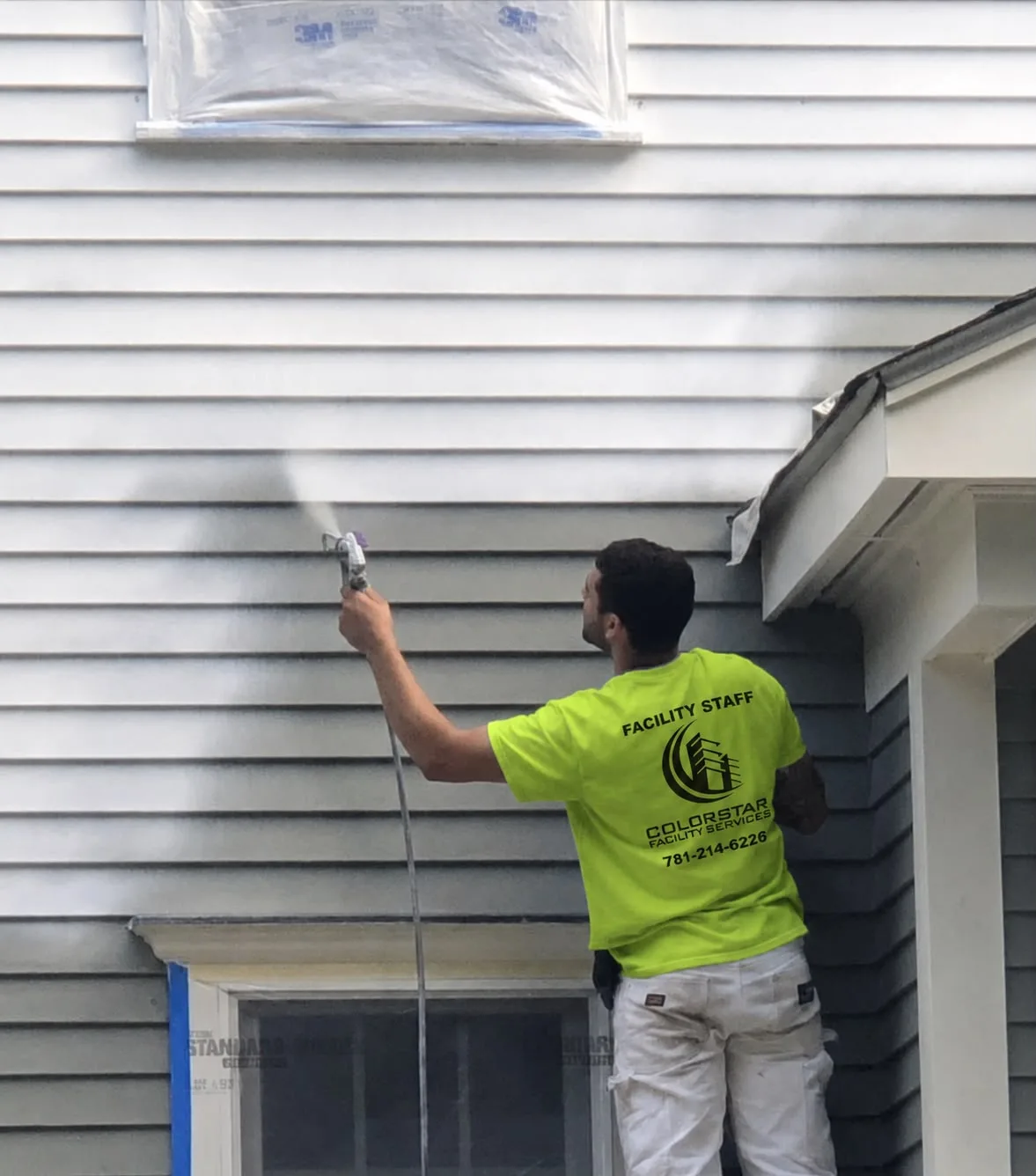
Paint is where an older home shows its age fastest and improves most dramatically. Exterior wood on a Federal or Victorian house needs careful prep: scraping, priming bare spots, and sometimes addressing old lead-based layers, which older Salem homes commonly have. That is work best handled by pros who know how to prep and contain properly rather than a quick sand-and-spray.
Color choices matter too. Many blocks near the historic core have an unofficial palette of muted, period-appropriate tones, and if your property sits within a regulated district there may be review guidelines to follow before you change exterior colors. Checking with the city first saves you from repainting twice.
Inside, remodeling an old house rewards patience. Kitchens and bathrooms are the highest-impact rooms to update, but in a historic home the trick is blending modern function with existing bones. A kitchen remodel might keep the original room proportions and window placement while adding durable surfaces and better storage. A bathroom update can bring in a walk-in shower and modern plumbing without stripping the room of its period feel. This is the kind of balance a company like Colorstar Services Group works through with Salem homeowners regularly.
Cleaning and Upkeep in an Older House
Older homes simply collect more. Plaster sheds fine dust, wide-plank floors have gaps that trap grit, and radiators and older HVAC runs move dust in ways forced-air systems in newer homes do not. Regular, thorough cleaning is not just cosmetic here. It protects finishes and keeps allergens down.
Be gentle with original surfaces. Harsh chemicals can strip old wood finishes, dull historic tile, and damage aged plaster. Softer cleaners, microfiber, and careful dusting of trim and millwork go a long way. Wood floors usually do better with a damp method than a soaking wet one, since standing water works into seams and can lift old finishes.
Salem also sits close to the water, so salt air and humidity are part of the picture. Keep an eye on windows and any spot where moisture gathers, wipe down sills, and stay ahead of small issues before they turn into peeling paint or soft wood. A consistent cleaning routine, whether you handle it yourself or bring in a service, is one of the cheapest ways to extend the life of an old home.
Living in a Tourism-Heavy City
There is no getting around it: Salem in October is a phenomenon. Haunted Happenings draws huge crowds downtown, and the energy around Essex Street and the Common is a big part of what makes living here fun. It also shapes how you plan home projects and upkeep.
For exterior work like painting, siding, or roof repairs, the shoulder seasons in late spring and early fall (before the October rush) tend to be smoother for scheduling and staging. Trying to run a driveway dumpster or a paint crew during peak tourist weeks can mean parking headaches and constant foot traffic. Planning bigger jobs around the calendar keeps everyone saner.
If your home is near the downtown core or a walkable route to attractions, seasonal cleaning also earns its keep. Front steps, entryways, and windows take a beating from heavier foot traffic and weather, and a quick refresh before the busy months keeps your place looking sharp when the whole city is on display.
Budgeting Improvements and When to Hire a Pro
Older homes reward a phased approach to budgeting. Rather than one enormous renovation, many Salem owners spread work across a few years: paint and exterior protection one season, a bathroom the next, a kitchen down the line. This keeps quality high and cash flow manageable, and it lets you learn your house before committing to the biggest rooms.
Costs vary widely with the age and condition of the home, so treat any number you read online as a rough starting point. Historic details, lead-safe prep, hidden repairs behind old plaster, and material choices all move the price. The most reliable way to plan is a free on-site estimate, where a contractor can see the actual conditions and give you a realistic range instead of a guess.
As for when to hire a pro: deep cleaning and routine upkeep are often fine to DIY, but anything touching structure, older wiring or plumbing, exterior prep on a home that may have lead paint, or a kitchen or bathroom remodel is usually worth professional help. The stakes are higher in a historic house, and getting it right the first time protects both your safety and the value of the home. When you do bring someone in, ask how they handle older homes specifically, since Salem houses are not the same as new construction and deserve a contractor who knows the difference.
Frequently asked questions
- Do I need special approval to renovate a historic home in Salem?
- It depends on where your home is and what you plan to do. Properties inside regulated districts, such as the McIntire Historic District, can have review requirements for exterior changes like paint color, windows, and siding. Interior work generally has more freedom. The safest move is to check with the city before starting exterior projects so you know the rules that apply to your specific address.
- Is it better to restore or replace old wood windows?
- In many older Salem homes, restoring original wood windows is worth serious consideration. Reglazing, weatherstripping, and repair can restore function and improve efficiency while keeping the character and the exact sightlines of the original. Replacement sometimes makes sense, but it is not automatically the cheaper or better choice once you account for what quality period-appropriate windows cost.
- How do I clean old wood floors and plaster without damaging them?
- Go gentle. Use a damp rather than wet method on wood floors so water does not seep into seams, and avoid harsh chemical cleaners that can strip aged finishes. Dust plaster trim and millwork with microfiber rather than abrasive tools. Consistent, careful cleaning protects historic surfaces far better than occasional aggressive scrubbing.
- When is the best time to schedule exterior work in Salem?
- Late spring and early fall, before the October tourist rush, are usually the smoothest windows for exterior projects like painting or repairs. Scheduling around Haunted Happenings and peak downtown foot traffic makes staging, parking, and crew access much easier, especially if your home is near Essex Street or the Common.
- How much does a kitchen or bathroom remodel cost in an older Salem home?
- There is no single number, because age, condition, hidden repairs, and material choices all move the price, and historic homes often carry surprises behind old walls. Treat any figure you see online as a starting point only. The most accurate way to plan is a free on-site estimate, where a contractor can assess the real conditions of your home and give you a realistic range.
Ready for an exact price?
Get a free, no-pressure in-home estimate. Real numbers for your home, not a phone guess.