
The Revere Homeowner's Guide to Cleaning and Home Improvement
· By Ronney Schineider
There is nothing quite like owning a home in Revere. You can walk to the country's first public beach, catch the salt breeze off the water on a summer evening, and be on the Blue Line into Boston in minutes. Whether your place sits in a walkable pocket near Shirley Ave, on a quiet street in Beachmont, or out on the peninsula at Point of Pines, the ocean is never far. That closeness to the water is exactly what makes Revere special, and it is also what makes owning a home here a little different from owning one a few towns inland.
The same salt air that gives Revere Beach its charm is hard on the things that keep your house looking good and standing strong. Paint fades faster, decks weather sooner, and windows and railings take a beating that homes in drier, inland spots never see. None of that is a reason to worry, it is just a reason to plan. This guide walks through what living near the water actually does to a Revere home, how to stay ahead of it season by season, and how to plan cleaning and remodeling projects that hold up to the coast instead of fighting it.
Living Near the Water: What Salt Air Does to Your Home
Salt air is the single biggest factor that sets Revere homes apart from homes even a short drive inland. Fine salt particles ride the ocean breeze off Revere Beach and settle on every surface: siding, trim, windows, railings, and rooftops. Over time that salt draws moisture and speeds up wear, which is why a paint job that might last a decade in a dry inland town can start to chalk and fade noticeably sooner a couple of blocks from the water.
Metal feels it first. Deck fasteners, gutter brackets, outdoor railings, light fixtures, and door hardware are all prone to corrosion in a marine environment. Wood feels it too, as salt and humidity work together to raise grain, loosen finishes, and encourage mildew in shaded spots. The closer you are to the shoreline, whether that is a beachfront condo along the boulevard or a single family home out on Oak Island, the more of this you will see.
The good news is that a coastal home is completely manageable once you know what you are dealing with. The trick is choosing the right materials and finishes up front, keeping surfaces clean so salt does not sit and do damage, and staying on a maintenance rhythm rather than waiting for problems to show up. Everything below builds on that idea.
A Mix of Beach Condos, Multifamily, and Inland Single-Families
Revere is not one kind of housing, and the right approach to upkeep depends a lot on what you own. Along Revere Beach Boulevard and near the water you will find condos and mid-rise buildings where exterior maintenance is often shared, but where salt exposure on windows, balconies, and common entryways is high. In these homes the interior finishes, kitchens, and bathrooms are usually where owners focus their improvement dollars, since the building handles the shell.
Move a little inland and Revere is full of two and three family homes, the classic New England multifamily. These properties work hard. High traffic, multiple kitchens and baths, and shared stairwells and porches mean upkeep is constant, and small deferred repairs add up fast across several units. Owners here get the most out of durable, easy to clean finishes and a maintenance schedule that treats the whole building as a system.
Then there are the single family homes in neighborhoods like Beachmont, Oak Island, and the streets branching off Broadway, plus the tighter waterfront lots at Point of Pines. These give owners the most control over exterior projects: painting, decks, siding, and landscaping. They also carry the most personal responsibility for weathering, since there is no association handling the outside. Knowing which category your home falls into helps you spend your maintenance time and budget where it actually matters.
Protecting and Maintaining a Coastal Home
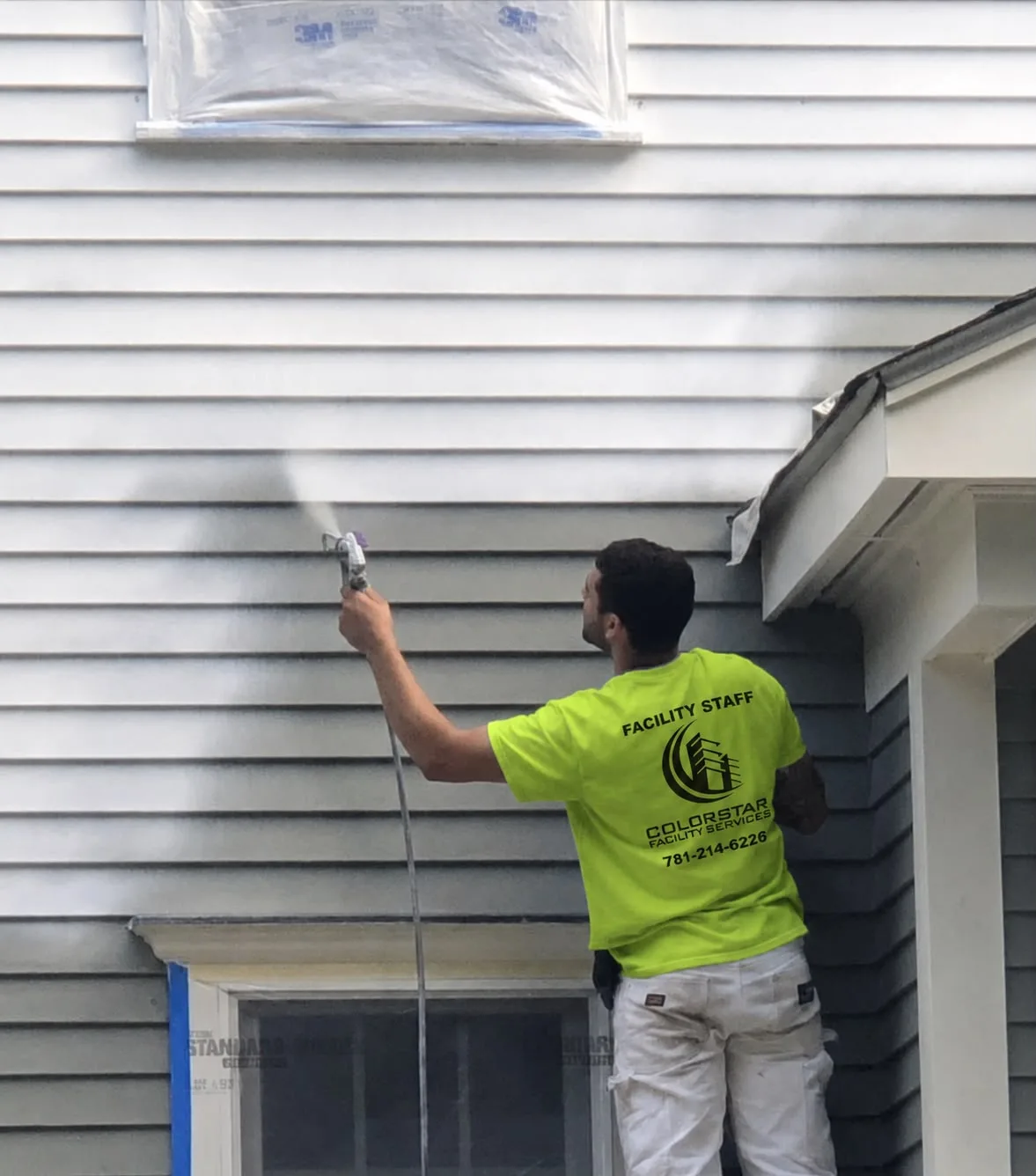
Protecting a Revere home starts with the exterior envelope, because that is what stands between the salt air and everything inside. Exterior paint is your first line of defense, and near the coast the quality of the prep and the product matters more than almost anything. Clean, sound surfaces and a coating rated for marine and high moisture conditions will hold color and shed salt far longer than a quick repaint over a dirty wall.
Rinsing matters more here than most people expect. A periodic gentle wash of siding, windows, railings, and outdoor metal removes the salt film before it can settle in and corrode or dull finishes. Think of it the way you would rinse a car after a beach day. For hardware, railings, and fixtures near the water, corrosion resistant materials and the occasional wipe down go a long way toward preventing rust streaks and pitting.
Water management is the other half of protection. Keep gutters and downspouts clear so rain moves away from the foundation, check that caulk and weatherstripping around windows and doors are intact, and watch shaded, damp corners for early mildew. Catching these small things early is what keeps a coastal home from turning routine upkeep into a big repair.
Seasonal Cleaning and Upkeep
Revere gets the full range of New England weather on top of its coastal exposure, so a season by season rhythm keeps things from piling up. In spring, wash away the salt and grime that winter left behind: rinse siding and windows, clear gutters of debris, and inspect decks and railings for loose boards, popped fasteners, or spots where the finish has worn thin. Spring is also the ideal window to plan exterior painting or deck refinishing before the summer heat and humidity arrive.
Summer is prime season for outdoor projects and deep cleaning. It is the best time for exterior paint to cure, for decks to be sanded and sealed, and for a thorough interior refresh while windows are open and airing out. If you live near the beach, a mid summer rinse of exterior surfaces helps knock down the salt that builds up during the busiest, breeziest months.
In fall, get ahead of winter: clear gutters again after the leaves drop, seal any gaps around windows and doors, and finish outdoor repairs before the cold sets in. Winter is mostly about watching for moisture and ice, keeping interior spaces clean and healthy while the house is closed up, and using the slower months to plan interior remodels for the year ahead.
Planning Remodels That Hold Up to the Coast
When you remodel a Revere home, the coast should shape your choices as much as your taste does. Kitchens and bathrooms are the most common projects, and both live in humid, hardworking parts of the house. Moisture resistant materials, good ventilation, and quality sealing around tubs, showers, and sinks are what keep a beautiful bathroom remodel from developing mildew or water damage a few years in. In a coastal town, ventilation is not an afterthought, it is part of the design.
Outdoor living is a big part of the appeal here, and a well built deck is one of the best upgrades a Revere home can get. Because decks take the brunt of sun, salt, and weather, material choice is everything: corrosion resistant fasteners and hardware, framing and decking suited to a marine climate, and a finish plan you can actually keep up with. A deck built and sealed for the coast rewards you for years, while one built like it is inland can start showing its age fast.
For any remodel, plan for maintenance from the start. Finishes that are easy to wipe down, colors and materials that hide the realities of coastal living, and details that let water drain and air move will save you time and money for as long as you own the home. This is the kind of local judgment a company like Colorstar Services Group leans on, having worked on North Shore homes for over 15 years, but the principle holds no matter who does the work: build for where you live.
When to Hire a Pro
Plenty of Revere upkeep is genuinely do it yourself: rinsing surfaces, clearing gutters on a single story, keeping interiors clean, and staying on top of small seasonal checks. Doing that steady, low cost work is what keeps the bigger jobs from arriving all at once. If you are handy and safe on a ladder, that maintenance rhythm is yours to own.
It is worth calling in a pro when the job involves heights, structure, or finishes that have to last. Exterior painting on a two or three family, deck building or rebuilding, bathroom and kitchen remodels, and diagnosing water or moisture problems all reward experience, the right equipment, and materials chosen for the coast. A good local contractor also knows the quirks of Revere housing, from tight waterfront lots at Point of Pines to the classic multifamily layouts inland.
Costs vary widely depending on the size of the project, the condition of the home, and the materials you choose, so any honest number should come from someone who has actually seen the property. Most reputable local companies, Colorstar included, will walk the job and provide a free estimate before you commit to anything. That visit is also your chance to ask how they would handle the coastal factors specific to your home, which is often the most valuable part of the conversation.
Frequently asked questions
- Does living near Revere Beach really damage my house faster?
- It does not so much damage your home as accelerate normal wear. Salt in the ocean air draws moisture and speeds up fading, corrosion, and mildew, so paint, decks, and outdoor metal near the water tend to age faster than they would inland. The fix is not dramatic: choose materials and finishes rated for coastal conditions, rinse salt off surfaces periodically, and stay on a maintenance rhythm rather than waiting for problems to appear.
- How often should I repaint the exterior of a coastal Revere home?
- There is no single number, since it depends on how close you are to the water, which direction your home faces, and the quality of the last paint job. Homes right along the boulevard or out toward Point of Pines usually need attention sooner than those set back inland near Broadway. The best signal is the paint itself: chalking, fading, or peeling means it is time. Quality prep and a coating built for marine conditions will stretch that interval considerably.
- What kind of deck holds up best near the water in Revere?
- The material choices that matter most are corrosion resistant fasteners and hardware, framing and decking suited to a marine climate, and a finish you can realistically maintain. Decks take the full force of sun, salt, and weather here, so hardware that would be fine inland can rust and stain near the beach. Building and sealing a deck specifically for the coast is what keeps it looking good and structurally sound for years.
- Are two and three family homes in Revere harder to maintain?
- They ask for more consistent upkeep simply because they do more work: multiple kitchens and baths, higher foot traffic, and shared porches and stairwells all wear faster. The upside is that a steady maintenance schedule and durable, easy to clean finishes go a long way. Treating the whole building as one system, rather than fixing units one at a time, usually keeps these classic Revere multifamilies in good shape and helps their value hold.
- How do I get an accurate price for a remodel or exterior project?
- Because coastal homes vary so much in exposure and condition, reliable pricing comes from an in person look rather than a phone estimate. Costs depend on the size of the job, the state of the home, and the materials you pick. Most local companies, including Colorstar Services Group, will walk the property and provide a free estimate, which is also the right moment to ask how they would handle the salt air and moisture specific to your street.
Serving
Ready for an exact price?
Get a free, no-pressure in-home estimate. Real numbers for your home, not a phone guess.