
Deck Repair vs Replacement: How to Know Which You Need
· By Ronney Schineider
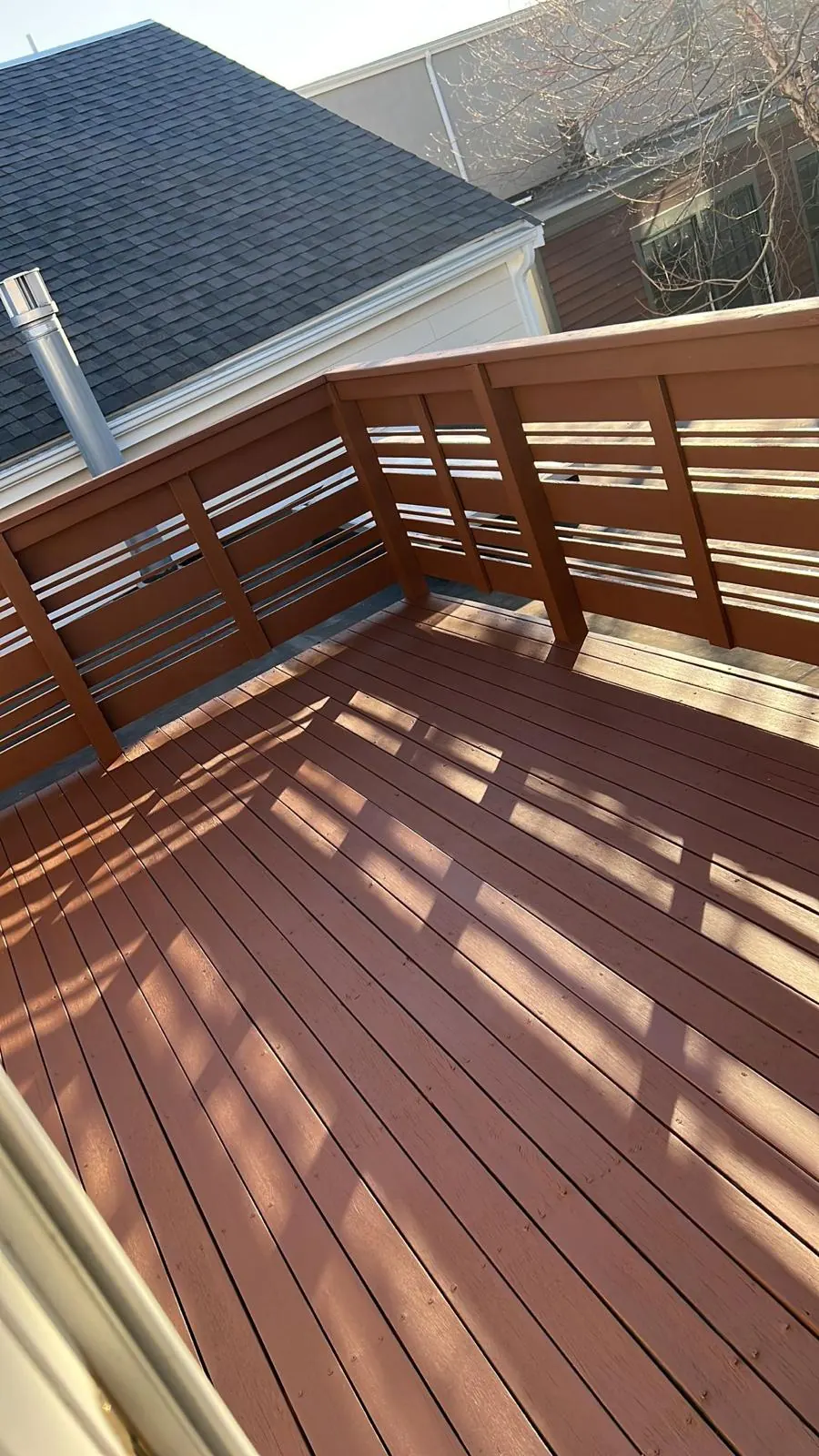
Your deck takes a beating up here. Between the freeze-thaw cycles, heavy snow loads, salt air off the coast, and long stretches of damp spring weather, a deck on the North Shore ages faster than the same structure would in a milder climate. So when a few boards start to feel spongy or the railing wobbles, the real question is not just "can this be fixed" but "is fixing it the smart move, or am I just delaying a rebuild I already need."
The honest answer depends almost entirely on the framing underneath, not the surface you walk on. Cosmetic problems like faded boards, popped nails, or a loose baluster are easy repairs. Structural problems in the posts, beams, joists, and ledger are a different conversation. This guide walks you through how to tell those apart, what to look for, and how the cost math actually shakes out, so you can make a decision with your eyes open before anyone gives you a number.
When a repair makes sense vs a full rebuild
The simplest way to frame it: if the bones are sound and the damage is localized, you repair. If the structure that holds the deck up is compromised, or if the deck is old enough and worn enough that repairs would just chase one problem after another, you rebuild.
A repair is usually the right call when the framing is solid but the surface has worn out, when a specific component like a stair stringer or a section of railing has failed, or when the deck is under roughly 10 to 15 years old and has only isolated trouble spots. Replacing the walking surface while keeping a healthy frame is common and cost-effective.
A full rebuild starts to make more sense when the posts or beams show rot, when the ledger board (where the deck attaches to the house) is failing, when the deck was built to older or looser standards, or when you are already spending real money on repairs every year or two. At that point you are pouring cash into a structure that is going to need replacing anyway, and a rebuild lets you fix the framing, improve the layout, and reset the clock.
How to check the framing and posts (structure is the deciding factor)
The framing decides everything, so this is where any honest assessment starts. The parts that matter most are the ledger board, the posts, the beams, and the joists. If those are healthy, you have options. If they are not, the surface boards are almost beside the point.
Start with the ledger, the board bolted to your house that carries a huge share of the load. Look for rust stains, gaps, or bolts pulling loose, and check whether water has been getting behind it. A failed ledger is one of the most common causes of serious deck collapses, so it gets the most weight in any decision.
Next, check the posts at ground level where they meet the footing or the soil. This is where moisture collects and where rot hides. Press a screwdriver or an awl into the wood near the base. Firm wood resists. If the tip sinks in easily or the fibers crumble, that post is compromised. Do the same along the beams and a sampling of joists, especially anywhere you see dark staining, and look up at the underside for sagging, cracked, or twisted framing.
One soft post or one damaged joist can often be sistered or replaced. Widespread softness across multiple structural members is the signal that a rebuild is the safer and often cheaper path over time.
Signs of rot and unsafe conditions
Some warning signs you can catch on a slow walk-around. Spongy or bouncy boards, a railing you can rock with one hand, wobbly stairs, and visible movement when you walk near the edge all point to something loose or failing underneath.
Rot tends to announce itself with soft, discolored, or flaking wood, a musty smell, mushrooms or fungus growth, and areas that stay damp long after the rest of the deck has dried. In our climate the north-facing side and any spot where leaves and debris collect tend to go first, since they hold moisture through New England winters.
Also watch the metal. Rusted, bent, or missing joist hangers, corroded fasteners, and a wobbly ledger connection are structural red flags even when the wood still looks okay. If you notice the whole deck shifting, if posts are no longer plumb, or if the ledger is pulling away from the house, treat the deck as unsafe and keep people off it until a professional has looked at it.
Cost and value tradeoffs
Repairs are almost always cheaper up front. Swapping a few boards, resetting railings, or fixing a set of stairs is typically a modest project, and refinishing or re-decking a sound frame lands well below the cost of a new build. Prices vary widely with the size of the deck, the materials, and how much framing is involved, so treat any figure you read online as a rough market range, not a quote.
A full replacement costs more, but the value is different. You get a structure built to current standards, framing you can trust for years, and the chance to fix an awkward layout or upgrade to a lower-maintenance surface. If your deck is aging and you plan to stay in the home, that reset often pays for itself in avoided repairs and everyday use.
The trap to avoid is the slow bleed: spending a few hundred dollars a year patching a deck whose framing is on its way out. Add up two or three of those repair bills and you are often within reach of a rebuild that solves the underlying problem for good. The only way to know which side of that line you are on is to have someone look at the framing. That is exactly what a free estimate is for, and it is the cheapest step in the whole process.
Material choices when you rebuild
If a rebuild is the answer, the biggest decision is the decking material, and the two main paths are pressure-treated wood and composite.
Pressure-treated lumber is the budget-friendly, familiar choice. It costs less to buy, it is easy to work with, and a well-built pressure-treated deck can last a long time. The tradeoff is maintenance: to hold up against North Shore winters and coastal moisture, it needs periodic cleaning, sealing, or staining, and boards can still cup, crack, or splinter over the years.
Composite decking costs more up front but asks very little of you afterward. It does not need staining or sealing, it resists rot, insects, and fading, and it shrugs off the damp and freeze-thaw that punish real wood here. For homeowners who would rather not spend spring weekends re-sealing a deck, composite often wins on total cost of ownership even though the sticker price is higher.
There is no single right answer. It comes down to your budget, how much upkeep you want to sign up for, and how long you plan to enjoy the deck. A good contractor will walk you through both, along with railing, framing, and hardware options rated for a coastal New England climate.
Safety and code in Massachusetts, and how a pro assesses it
Deck work in Massachusetts is governed by the state building code, and most communities on the North Shore require a permit for building a new deck or for structural repairs. Permitting exists for a reason: it means the ledger connection, the footing depth, the railing height, the guard spacing, and the load capacity all get checked against current safety standards. Skipping it can create problems at resale and, more importantly, can leave a real safety risk in place.
A professional assessment goes beyond a glance at the boards. A good contractor gets under the deck, tests the posts and beams for rot, inspects the ledger and its flashing, checks the joist hangers and fasteners, confirms the footings are sound, and measures railings and stairs against code. From there you get a clear read on whether targeted repairs will genuinely solve the problem or whether the framing has aged past the point where repairs make sense.
That inspection is the whole ballgame. It turns a guess into a decision. Colorstar serves Saugus, Revere, and the surrounding North Shore communities, and a free estimate includes a straight answer about what your deck actually needs, repair or replacement, with no pressure to pick the bigger job.
Frequently asked questions
- How long does a deck usually last around here?
- It depends on the material and the upkeep. A well-maintained pressure-treated deck often lasts around 10 to 20 years, while composite can go longer with less maintenance. In our coastal New England climate, decks that never get cleaned or sealed tend to fall on the shorter end because moisture and freeze-thaw take a toll on the framing.
- Can you replace just the boards and keep the frame?
- Yes, if the framing is sound. Re-decking over a healthy frame is a common, cost-effective project. The catch is that the posts, beams, joists, and ledger all need to check out first. If the structure underneath is soft or damaged, new boards will just sit on a failing frame, so the framing gets inspected before anyone commits to a re-deck.
- Is my deck safe to use right now?
- If you notice a deck that rocks or shifts when you walk on it, posts that are no longer plumb, a ledger pulling away from the house, or widespread soft, spongy wood, treat it as unsafe and keep people off it until a professional has inspected it. Loose railings and wobbly stairs are also worth addressing quickly, since they are common causes of falls.
- Do I need a permit to fix or replace my deck in Massachusetts?
- Building a new deck or doing structural repairs generally requires a permit under the Massachusetts building code, and most North Shore towns enforce this. Small cosmetic fixes may not, but rules vary by community. A contractor who works locally will know what your town requires and can handle the permitting as part of the project.
- Pressure-treated or composite, which is the better value?
- Pressure-treated wood costs less up front but needs regular cleaning and sealing to survive our winters. Composite costs more to install but needs almost no maintenance and resists rot, insects, and fading. If you plan to keep the deck for many years and would rather skip the yearly upkeep, composite often wins on total cost of ownership. If the up-front budget is the priority, pressure-treated is the practical choice.
Related services
Serving
Ready for an exact price?
Get a free, no-pressure in-home estimate. Real numbers for your home, not a phone guess.