
The Best Time of Year to Paint Your House Exterior in New England
· By Ronney Schineider
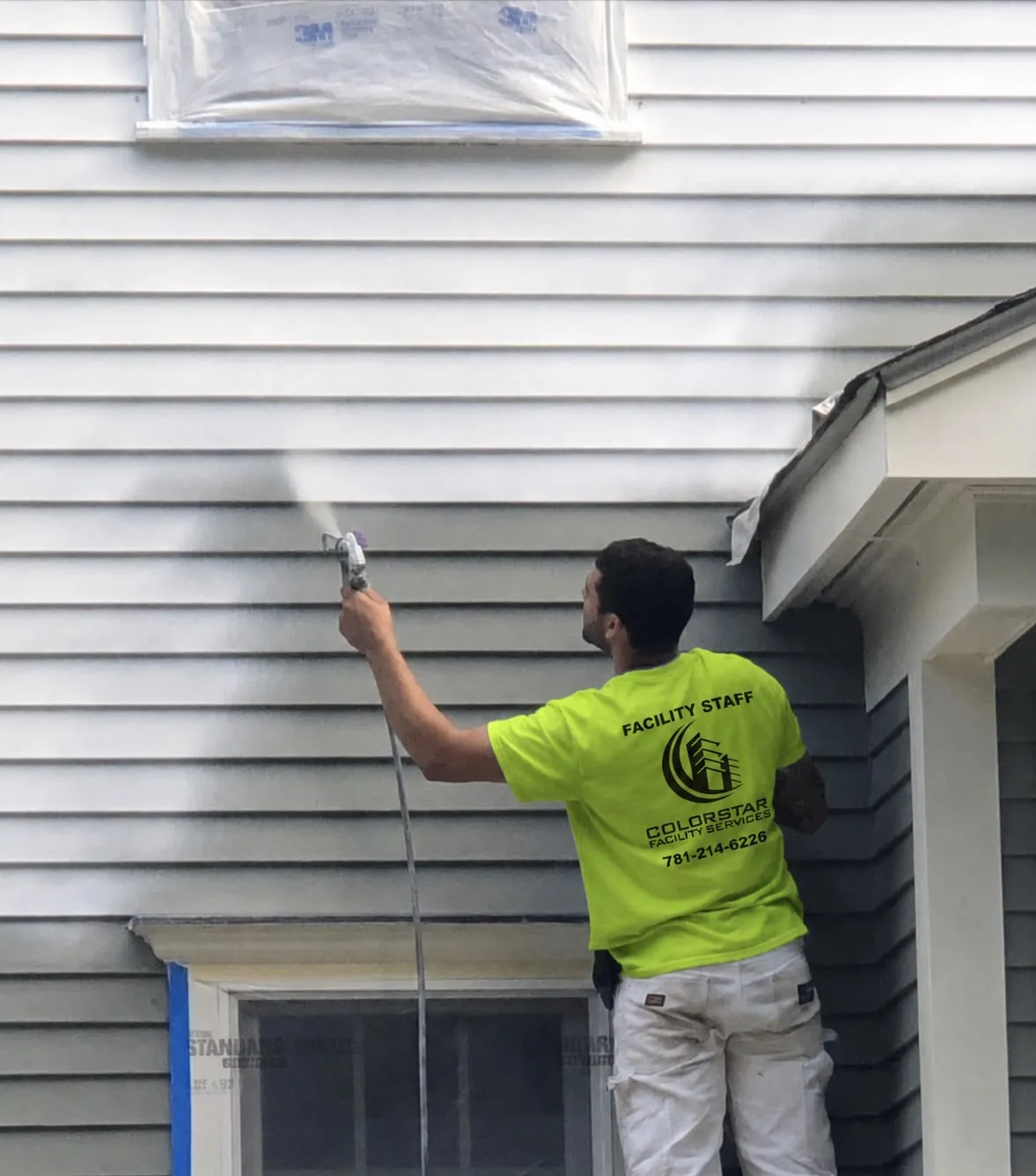
A fresh coat of exterior paint is one of the fastest ways to protect your home and lift its curb appeal, but in New England the calendar matters just as much as the color. Paint is a chemical product that has to cure, and curing depends heavily on temperature and humidity. Get the timing right and the finish bonds tight, dries evenly, and holds up for years against our coastal salt air, freeze-thaw cycles, and heavy summer sun. Get it wrong and you can end up with peeling, blistering, or poor adhesion long before you should.
Here on the North Shore of Massachusetts, where we work with homeowners across towns like Saugus, Salem, and Melrose, the painting season is real but short. Winter shuts things down for months, and the shoulder seasons come with their own quirks. This guide walks through why timing matters, when the ideal window opens and closes, what each part of the season actually looks like, and how to plan and book so your project lands in the sweet spot instead of getting rushed or pushed to next year.
Why Timing Matters More Than Most Homeowners Think
Exterior paint does not simply dry, it cures. Drying is the surface losing its wet feel in a few hours. Curing is the full chemical process that hardens the film and locks it to the siding, and that can take days or even weeks to complete. Both steps depend on the air around the house being within the right temperature and humidity range while the paint sets.
Most modern exterior latex and acrylic paints want surface and air temperatures roughly between 50 and 85 degrees Fahrenheit, and manufacturers generally warn against applying below 50 degrees or during a night that will dip near freezing. If paint is applied when it is too cold, the film cannot coalesce properly and you get weak adhesion and early cracking. Too hot and in direct sun, the surface skins over before the layer underneath can level out, which traps solvent and leads to blistering.
Humidity is the other half of the equation. High moisture in the air slows evaporation and keeps the film soft longer, which invites dirt, insects, and surface marring. Morning dew, damp siding, or a surprise shower a few hours after application can ruin an otherwise perfect coat. In a coastal, humid region like eastern Massachusetts, planning around these conditions is not a nice-to-have, it is the job.
The Ideal Window in New England: Late Spring Through Early Fall
For most homes in the North Shore area, the reliable exterior painting window runs from roughly late May through early October. That stretch gives you consistent daytime temperatures in the paint-friendly range, warmer overnight lows that stay well above freezing, and longer daylight hours so a crew can finish a coat and let it set before the evening dew rolls in.
Within that window, early summer and early fall are often the true sweet spots. Late June into July delivers stable warmth without the deepest humidity of high summer, and September brings crisp, dry air with mild temperatures that many painters consider close to ideal. The goal is a run of dry days with moderate heat, low wind, and nights that stay comfortably above 50 degrees.
The point is not a single perfect week but a stable stretch. A quality exterior job needs several dry, mild days in a row so wash, prep, primer, and topcoats can each cure the way the manufacturer intended. A free estimate and a walkthrough of your home help pin down which weeks fit your specific siding, exposure, and shade.
Month by Month: What Each Part of the Season Really Looks Like
Spring (April to May). Early spring is tempting after a long winter, but it is a gamble. Nights can still drop near freezing, siding stays damp from snowmelt and spring rain, and pollen coats everything. By mid to late May, conditions usually stabilize enough to start. If you want an early-season slot, this is the time to have the project already scheduled.
Summer (June to August). This is the heart of the season and the busiest stretch for painting crews across Massachusetts. The main watch-outs are peak humidity and intense midday sun. A good crew works around it by following the shade around the house and avoiding painting a wall in direct blazing sun, so the coat cures evenly instead of flashing dry on the surface.
Fall (September to mid-October). Many pros quietly favor early fall. The air turns drier, temperatures are mild, and there is often a beautiful run of stable days. The catch is the shrinking daylight and cooler nights as October moves on, so projects need to wrap before overnight lows start flirting with the low 40s and below.
Why winter is a no. From late fall through early spring, exterior painting essentially stops in New England. Temperatures routinely fall below the minimum application range, surfaces stay cold and damp or frozen, and salt, snow, and ice make prep and adhesion unreliable. Even on a rare mild winter afternoon, the cold night that follows can undo a fresh coat. This is the season for interior projects instead.
How Weather Directly Affects Paint Adhesion
Adhesion is the whole ballgame. Paint that bonds tightly to clean, dry, sound siding will flex with the wood and resist our seasonal freeze-thaw swings for years. Paint applied over a damp, cold, dirty, or chalky surface is fighting a losing battle from the first brushstroke, and it often shows up as peeling within a season or two.
Temperature swings are especially hard on a curing film. A warm afternoon followed by a cold night can cause the surface to set at a different rate than the layer beneath, creating internal stress that leads to microcracking. This is exactly why the pros avoid painting late in the day in the shoulder seasons, when the temperature is about to fall quickly.
Moisture is the other adhesion killer. Siding that looks dry can still hold moisture from recent rain, morning dew, or ground-level humidity near foundations and shaded north walls. Trapped moisture behind a fresh coat turns into blisters and bubbles as it tries to escape. A proper job includes checking that surfaces are genuinely dry, not just dry to a quick touch, before any paint goes on.
How to Prep and Plan Around the Season
The season is short, so prep should not eat into the painting weeks. Smart planning starts before the ideal window even opens. Walk the exterior for peeling, cracked caulk, soft or rotted trim, mildew, and areas where old paint is chalking. These issues need attention first, and catching them early means the actual paint days can move fast when the weather cooperates.
Good exterior prep usually includes a thorough wash to remove dirt, salt, and mildew, scraping and sanding loose or failing paint, spot-priming bare wood, and caulking gaps around trim and windows. On many North Shore homes near the coast, that salt-air cleaning step is not optional, because paint will not bond well over a grimy or salty surface.
It also helps to line up color choices and any repair decisions ahead of time. Sun-drenched south and west walls fade faster and may call for higher-quality, more fade-resistant products, while shaded north sides hold moisture and mildew longer. Deciding these details before the season starts keeps your project moving instead of stalling on a decision while good weather slips by.
Scheduling Tips: Book Early Because the Season Is Short
The single biggest scheduling lesson in New England is simple: the good weeks fill up fast. A reliable painting window of roughly five months, shared by every homeowner in the region who wants their house done, means the best crews book out weeks or even months ahead. Homeowners who wait until July to start calling often get pushed to late season or the following year.
A better approach is to plan in the off-season. Winter and early spring are ideal for getting your estimate, choosing colors, and reserving a slot for the summer or early fall. That way your project is already on the calendar when conditions turn perfect, and you are not scrambling for an opening during the busiest stretch.
As for cost, exterior painting prices vary widely with the size of the home, siding material, the amount of prep and repair needed, and the products chosen, so most quotes only make sense after a look at your specific home. Rather than relying on a rough range, the clearest path is a free estimate, which lets you lock in both an accurate price and a spot in the season. For homeowners in Saugus and across the North Shore, booking ahead is the surest way to get the finish and the timing you want.
Frequently asked questions
- What is the best month to paint a house exterior in New England?
- Late June through July and the month of September are often the strongest choices. Both tend to offer stable, dry days, mild temperatures, and overnight lows that stay comfortably above freezing, which lets each coat cure the way it should.
- Can you paint a house exterior in the winter in Massachusetts?
- Generally no. Winter temperatures routinely drop below the minimum application range for exterior paint, and cold, damp, or frozen surfaces make good adhesion nearly impossible. Winter is better spent on interior projects, with the exterior scheduled for the warm season.
- What temperature is too cold to paint outside?
- Most modern exterior paints should not be applied when the surface or air temperature is below about 50 degrees Fahrenheit, and you also want overnight lows to stay well above freezing while the coat cures. Always check the specific product, since some are formulated for slightly cooler use.
- How does humidity affect exterior painting?
- High humidity slows evaporation and keeps the paint film soft longer, which can trap moisture, attract dirt and insects, and lead to blistering. Morning dew, damp siding, and surprise showers are the main culprits, which is why crews plan around dry stretches and avoid painting late in the day.
- When should I book my exterior painting project?
- Book in the off-season if you can. Reaching out in winter or early spring for an estimate and a reserved slot means your project is already scheduled when the ideal summer or early fall weather arrives, rather than competing for a spot during the busiest weeks.
Related services
Serving
Ready for an exact price?
Get a free, no-pressure in-home estimate. Real numbers for your home, not a phone guess.