
How Much Does a Bathroom Remodel Cost in Massachusetts? (2026 Guide)
· By Ronney Schineider
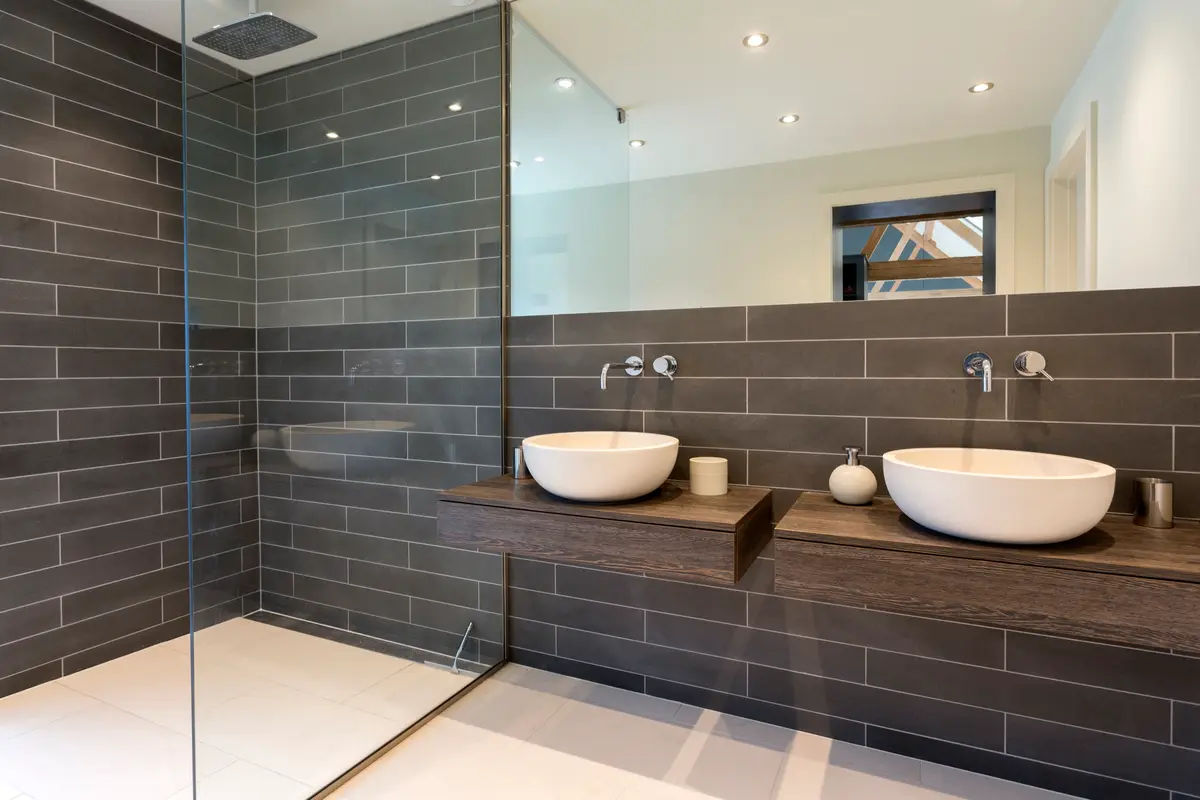
If you are pricing out a bathroom remodel in Massachusetts, the first thing you learn is that "it depends" is the honest answer. A cosmetic refresh and a full gut renovation can both be called a "bathroom remodel," yet they sit at very different price points. Add in older North Shore homes, tile choices, and how much plumbing you plan to move, and the spread gets wide fast.
This guide breaks down the typical 2026 market ranges you can expect around Massachusetts, explains what actually drives the number up or down, and shows you how to get an estimate you can trust. The figures below are general market ranges, not a quote. Your real number depends on your specific room, your finish choices, and the condition of what is behind the walls.
Typical Bathroom Remodel Price Ranges in Massachusetts (2026)
As a rough guide, most bathroom remodels in Massachusetts in 2026 fall into three tiers. A budget or cosmetic remodel, where the layout stays the same and you are mostly swapping finishes, typically lands somewhere in the low-to-mid five figures. Think new vanity, toilet, fixtures, paint, lighting, and refreshed tile without moving any plumbing.
A mid-range remodel, which is where most homeowners end up, usually means a full standard bathroom taken down to the studs and rebuilt with quality (but not luxury) materials: a new tiled shower or tub surround, updated flooring, a solid vanity, and better lighting and ventilation. These projects commonly run in the mid-to-upper five figures depending on size and finishes.
A high-end or primary bathroom remodel, especially a larger room with a custom tiled shower, freestanding tub, double vanity, heated floors, and premium tile, can climb into the higher five figures and beyond. The ranges overlap because the details matter more than the label. Treat these as starting points, not promises, and always confirm with a walkthrough of your actual space.
What Actually Drives the Price
Size is the obvious factor, but it is rarely the biggest one. A small powder room can cost more per square foot than a large bathroom if it involves a fully custom tiled shower, while a bigger room with simple finishes stays reasonable. What you put on the walls and floor tends to move the number the most.
The single largest swing usually comes from plumbing. Keeping the toilet, sink, and shower in their existing spots keeps costs down. Moving the shower to a new wall, relocating the vanity, or converting a tub into a curbless walk-in shower means new supply and drain lines, which adds labor, materials, and time. In older Massachusetts homes, opening the walls can also reveal outdated plumbing or wiring that has to be brought up to current code.
Fixtures and materials do the rest of the work. Tile alone ranges from budget ceramic to high-end porcelain, natural stone, and detailed mosaic accents, and the labor to install intricate patterns costs more than a straight, simple layout. Vanities, faucets, glass shower enclosures, and lighting all have a wide price band. The same footprint can be finished modestly or lavishly, and that choice, more than anything else, sets your final cost.
Where the Money Actually Goes
Homeowners are often surprised that materials are usually the smaller half of the bill. Labor, skilled tile setting, plumbing, electrical, and the coordination that keeps a multi-trade job on schedule, frequently makes up the larger share. A tiled shower done right is slow, careful work, and that craftsmanship is a big part of what you are paying for.
Demolition and disposal, permits and inspections where required, protecting the rest of your home during the work, and the prep behind the walls all carry real cost even though none of it shows up in the finished photos. This "invisible" portion of the budget is exactly what separates a remodel that lasts from one that looks fine for a year and then starts to fail.
It also helps to plan for a contingency. Older homes hide surprises, and setting aside roughly ten to fifteen percent of your budget for the unexpected is a common, sensible practice. A good contractor will tell you upfront if they see potential unknowns rather than papering over them.
Budget Choices vs. High-End Choices
If you want to keep the number down, the highest-leverage move is to keep the layout as-is. Refacing rather than relocating, choosing a quality prefabricated vanity, sticking with large-format porcelain tile that installs quickly, and using standard-size fixtures all trim cost without making the room feel cheap. A clean, well-executed budget bathroom often looks better than a poorly planned expensive one.
On the high end, the money tends to go into custom tile work, natural stone, frameless glass shower enclosures, heated floors, niche and bench details, and premium plumbing brands. These choices are genuinely nicer and often add resale appeal in Massachusetts, but each one compounds both material and labor cost, so it is worth deciding which upgrades matter most to you.
A practical middle path is to spend where you touch and see every day (the shower, the vanity, the faucet) and save on the things that matter less. There is no single right answer. The goal is a plan that fits both how you use the room and what you are comfortable spending.
Why Waterproofing and Prep Are Non-Negotiable
A bathroom is the one room in your house that gets soaked every single day, so what happens behind the tile matters as much as the tile itself. Proper waterproofing membranes, correctly sloped shower pans, sealed seams, and good ventilation are what keep water out of your framing. Skip or rush this step and you can get hidden mold, rot, and eventually failed tile, no matter how expensive the finishes looked on day one.
This is also where cutting corners is hardest to see and most expensive to fix. Tearing out a shower that was not waterproofed correctly means paying twice, once for the original job and again for the repair, plus any damage the leak caused underneath. On the North Shore, where many homes have been added onto over the decades, careful prep is worth every dollar.
When you compare quotes, ask each contractor exactly how they waterproof a shower and handle ventilation. A serious answer is a strong sign the rest of the work will be done properly. A vague one is a warning.
How to Get an Accurate Estimate
Online calculators and ranges like the ones above are useful for setting expectations, but they cannot see your bathroom. An accurate estimate comes from someone walking the space, looking at the layout, checking the age and condition of the plumbing and framing, and talking through your finish choices before putting a number on paper.
When you gather quotes, make sure they are itemized and cover the same scope, so you are comparing like for like. A lowball number that leaves out waterproofing, permits, or disposal is not really cheaper, it just moves those costs to a change order later. Ask what is included, what is not, and how surprises behind the walls are handled.
Colorstar offers free in-home estimates for bathroom remodels across Saugus, Lynn, and the surrounding North Shore. A quick walkthrough is the fastest way to turn a market range into a real number for your project. Reach out to schedule yours and get a clear, itemized plan for the bathroom you actually want.
Frequently asked questions
- How much does a bathroom remodel cost in Massachusetts in 2026?
- As a rough guide, most cosmetic remodels land in the low-to-mid five figures, mid-range full remodels in the mid-to-upper five figures, and larger high-end or primary bathrooms higher still. Your real number depends on size, finishes, and how much plumbing moves, so a free in-home estimate is the only way to price your specific room.
- What is the most expensive part of a bathroom remodel?
- Labor and tile work usually make up the largest share, followed by any plumbing that has to be moved. Custom tiled showers, relocating fixtures, and premium materials are the choices that push a budget up the fastest.
- Does moving the plumbing add a lot to the cost?
- Yes. Keeping the toilet, sink, and shower in their current spots is the single biggest way to control cost. Relocating them means new supply and drain lines, more labor, and, in older homes, sometimes code upgrades once the walls are open.
- Why does waterproofing matter so much?
- A bathroom gets wet every day, so waterproofing membranes, a properly sloped shower pan, and good ventilation are what keep water out of your framing. Skipping this hidden step leads to mold, rot, and failed tile, which costs far more to fix than to do right the first time.
- How do I get an accurate quote instead of just a range?
- Have a contractor walk your actual bathroom, check the plumbing and framing, and provide an itemized estimate for the full scope. Colorstar offers free in-home estimates across Saugus, Lynn, and the North Shore, which is the fastest way to turn a market range into a real number.
Related services
Serving
Ready for an exact price?
Get a free, no-pressure in-home estimate. Real numbers for your home, not a phone guess.